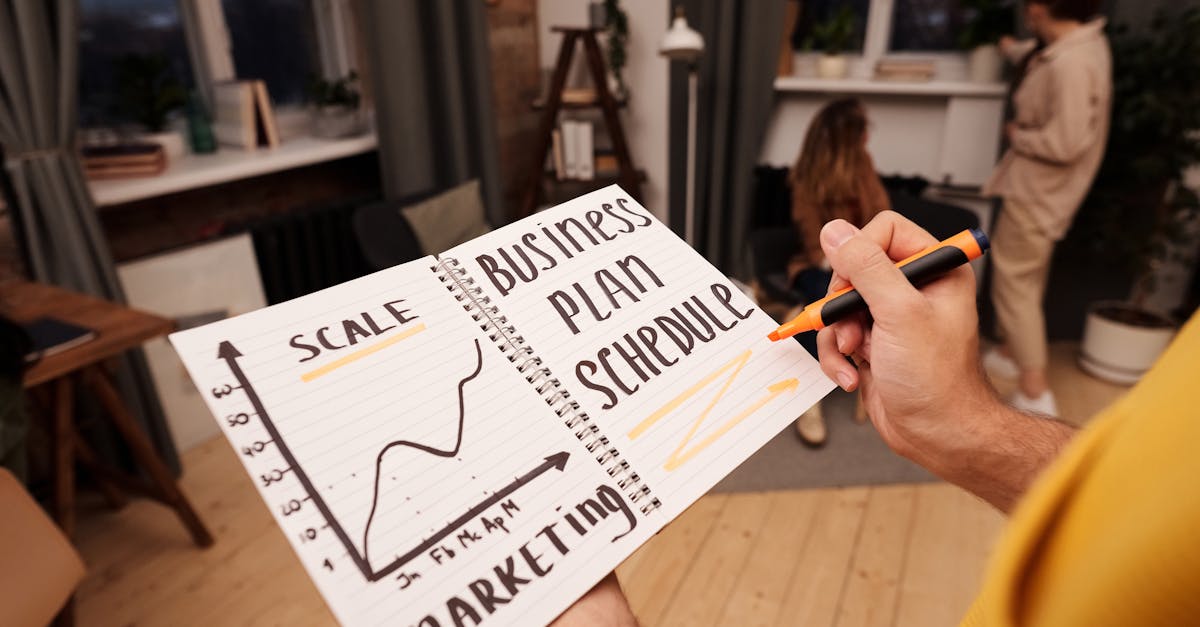
Running Brightspotbiz, I’ve seen countless small business owners, from solo entrepreneurs to teams of five, get caught in the growth trap. They diligently follow the latest guru’s advice: ‘Just scale your ads!’ or ‘Go viral on TikTok!’ But months later, they’re exhausted, broke, and no closer to sustainable growth. I’ve been there myself, throwing money at strategies that promised the moon but delivered only crater-sized invoices.
The truth is, most conventional growth advice for small businesses is fundamentally flawed because it’s designed for venture-backed startups with endless capital, not bootstrapped operations. It focuses on speed over sustainability, volume over value, and tactics over foundations. The result? A perpetual cycle of chasing the next big thing, burning out, and never achieving the stable, predictable growth that actually transforms a small business into a thriving one. What changed everything for me, and what I now coach my clients on, is a shift from chasing external ‘hacks’ to fortifying internal systems and understanding the true drivers of profitable expansion.
Key Takeaways
- Stop focusing on ‘scaling’ before proving profitability; sustainable growth begins with a validated, profitable core.
- Resist the urge to chase every new marketing trend; instead, double down on channels that consistently deliver high-quality leads and conversions.
- Prioritize building a referral engine and nurturing existing customers; these are your most cost-effective and loyal growth drivers.
- Implement systems and automation before expanding; growth without robust operational support leads to chaos and client churn.
The Illusion of ‘Scale’ Before Profitability
I see this mistake more often than any other: a small business owner hears ‘scale’ and immediately thinks ‘more customers, faster!’ They’ll pour limited capital into aggressive advertising campaigns, hoping to acquire a flood of new clients. The problem? They haven’t thoroughly proven the profitability of their core offering at a smaller, manageable scale.
Imagine a coffee shop owner deciding to open ten new locations because one location makes good coffee, without ever truly understanding the cost of a single cup, the churn rate of their regulars, or the efficiency of their staff. It sounds absurd, right? Yet, this is the exact mindset many small businesses adopt with their online growth strategies.
In my experience, ‘scaling’ before achieving a validated, profitable core is like building a skyscraper on quicksand. You might see initial gains in customer numbers, but these new customers often cost more to acquire than they’re worth. You’re simply amplifying an inefficient engine. I once worked with a consulting client who was convinced they needed to run Facebook ads to ‘scale.’ After analyzing their numbers, we discovered their average client lifetime value (LTV) was only slightly higher than their customer acquisition cost (CAC) on their existing, organic channels. Scaling ads would have merely put them deeper in the red, faster. What actually worked was refining their service package, increasing their average client value by 20%, and then optimizing their existing, cheaper lead sources. Once those fundamentals were solid, then we talked about expanding marketing efforts.
The real strategy is to first meticulously understand your unit economics. What does it truly cost to deliver your product or service? What’s the average lifetime value of a customer? What’s your current customer acquisition cost on your most profitable channels? Until these numbers are healthy and proven at a small scale, any talk of ‘scaling’ is premature and dangerous. Focus on optimization, not just expansion. This means constantly refining your offer, improving your customer experience to reduce churn, and finding efficiencies in your operations. Only when you have a truly profitable, repeatable system should you even consider pouring gasoline on the fire.
The Trap of Chasing Every New Marketing Channel
Every year, there’s a new ‘must-do’ marketing channel. One year it’s Snapchat, the next it’s TikTok, then Clubhouse, now it’s AI-generated content or Threads. Small business owners, fearing they’ll be left behind, scramble to establish a presence on every platform. They spend precious time learning new algorithms, creating content for different formats, and spreading their already thin resources even thinner. The result is usually mediocre content across many platforms and little to no real return on investment.
I’ve made this mistake myself. Early in my career, I was convinced I needed to be everywhere. My social media strategy was essentially a scattergun approach: post a little here, a little there, hope something sticks. It led to exhaustion, fragmented branding, and no clear path for customer acquisition. What changed everything for me was the realization that focus is a superpower for small businesses.
Instead of chasing every fleeting trend, identify 1-2 channels where your ideal customer actually spends their time and where you can genuinely shine. For a B2B service provider, LinkedIn and a well-optimized blog might be 80% of your strategy. For a local boutique, Instagram and local SEO (Google My Business) could be paramount. It’s not about being everywhere; it’s about being effective where it counts. I had a client, a custom furniture maker, who was trying to gain traction on TikTok with trending dances. It was a complete mismatch for their high-end, bespoke audience. We pivoted them to a strategy focused on Pinterest, high-quality blog posts showcasing their craftsmanship, and local community events. Within six months, their lead quality and conversion rates skyrocketed because they were speaking directly to their ideal customer in the places they actively sought inspiration.
Your time and attention are your most valuable assets. Don’t squander them on channels that don’t align with your business or customer base. Do deep research, test a couple of promising avenues rigorously, and then double down on the ones that show real ROI. Consistency and quality on a few channels will always outperform sporadic, generic presence across many.
Neglecting Your Referral Engine and Existing Customers
Many growth strategies focus almost exclusively on acquiring new customers. While new customer acquisition is essential, overlooking your existing customer base and the power of referrals is a colossal, often ignored, mistake that costs small businesses untold thousands. In my experience, your most valuable growth engine is already within your grasp: the people who already know, like, and trust you.
Think about it: Acquiring a new customer can cost 5-25 times more than retaining an existing one. And a referred customer? They have a 16% higher lifetime value and are 4 times more likely to refer others. Yet, most small businesses have no formal referral program, no consistent follow-up strategy, and no clear plan for nurturing their loyal clients. I remember a landscape design company I advised. They did phenomenal work, but their growth was stagnant. When I asked about referrals, the owner said, ‘Oh, people just call us if they know us.’ There was no system, no incentive, no gentle nudge. What actually worked was implementing a simple ‘Client Showcase’ program where satisfied customers were featured (with their permission) on their website and social media, and offered a tiered discount for every new client they referred who signed a project. We also started a quarterly email newsletter with seasonal garden tips, keeping them top-of-mind. This wasn’t about aggressive sales; it was about acknowledging and valuing their existing community. Within a year, referrals accounted for over 40% of their new business.
Building a robust referral engine isn’t about being pushy; it’s about making it easy and rewarding for your happy customers to spread the word. This could be a formal referral bonus, a loyalty program, exclusive content for long-term clients, or simply asking for reviews and testimonials. Beyond referrals, consistently providing exceptional service to your existing customers builds trust, reduces churn, and increases their lifetime value through repeat purchases or upsells. Don’t just acquire customers; cultivate evangelists. This is the most sustainable, cost-effective, and enjoyable way to grow your business.
Trying to Grow Without Robust Systems and Automation
Growth is exciting, but unchecked growth without the underlying systems to support it is a recipe for disaster. I’ve watched brilliant small businesses crumble under the weight of their own success because they failed to automate repetitive tasks, document processes, or invest in scalable tools. The owner becomes the bottleneck, customer service suffers, and quality declines. What was once a passion project turns into a relentless grind.
I recall a boutique e-commerce brand that saw explosive growth after a popular influencer featured their product. Orders poured in, but their manual fulfillment process, basic spreadsheet inventory, and single customer service email inbox quickly became overwhelmed. Customers waited weeks for orders, emails went unanswered, and returns piled up. By the time they tried to implement proper systems, the damage was done, and their reputation was in tatters. Their growth, while initially promising, was ultimately unsustainable.
The effective strategy is to proactively implement systems and automation before you hit critical mass, not after. This means:
- CRM (Customer Relationship Management) Software: Even a simple one to track leads, customer interactions, and follow-ups. Stop relying on scattered notes or your memory.
- Project Management Tools: For service businesses, this is non-negotiable. Tools like Asana, Trello, or ClickUp keep tasks organized, deadlines clear, and team communication efficient.
- Automated Email Sequences: For onboarding new clients, sending follow-ups, or nurturing leads. Your time is too valuable for manual repetitive emails.
- Standard Operating Procedures (SOPs): Document how you do everything, from client onboarding to product fulfillment. This ensures consistency and makes training new hires infinitely easier.
- Financial Tracking: Beyond just a basic spreadsheet. Use accounting software (QuickBooks, Xero) to keep a real-time pulse on your cash flow. You can’t manage what you don’t measure.
Investing in these foundational systems might not feel like ‘growth’ in the immediate sense, but it creates the scaffolding upon which sustainable, profitable growth can be built. It frees up your time, ensures consistent quality, and prepares your business to handle increased demand without breaking down. Without these systems, every new customer adds to the chaos, rather than to your bottom line.
Ignoring Market Feedback and Niche Evolution
Many small businesses, once they find an initial successful product or service, become rigidly attached to it. They stop listening to their customers, ignore market shifts, and resist evolving their offerings. They assume what worked yesterday will work tomorrow, failing to recognize that even the most successful niches are dynamic. This leads to stagnation and eventual irrelevance, as competitors emerge with more attuned offerings or customer needs simply change.
I worked with a business coach who had built a successful practice around a specific group coaching program. It had been wildly popular for years. However, the market had shifted; individuals were now seeking more personalized, one-on-one mentorship due to increased complexity in their industries. My client continued to push the group program, seeing declining enrollment and increasing frustration from prospects who felt it didn’t meet their unique needs. What actually worked was a painful but necessary pivot: we conducted extensive surveys and interviews with past clients and lost leads, identifying the exact pain points the market was now experiencing. This led to the creation of a new, premium one-on-one coaching package and a restructuring of the group program to address more specific, current challenges. It revitalized their business and positioned them as a responsive, adaptable leader in their field.
Sustainable growth isn’t just about doing more of what you’re already doing; it’s about continuous adaptation. Regularly collect feedback through surveys, direct conversations, and analyzing purchasing patterns. Pay attention to industry trends, competitor movements, and emerging technologies. Be willing to iterate, refine, and even pivot your offerings when necessary. Your niche isn’t static; it’s a living ecosystem. Those who listen and adapt will thrive, while those who remain rigid will find their once-fertile ground turning barren. This responsiveness not only drives growth but also builds immense customer loyalty, as clients feel truly heard and served.
The Overwhelm of DIY Everything and Reluctance to Delegate
The solo entrepreneur or small business owner often wears every hat: CEO, marketing director, sales rep, customer service, accountant, and janitor. While this is necessary in the very early stages, a common growth-stifling mistake is the inability to let go and delegate. They believe no one can do it as well or as cheaply as they can, leading to burnout, missed opportunities, and an inherent cap on their business’s potential. Your business cannot truly grow beyond your personal capacity if you are the single point of failure for every task.
I remember struggling with this deeply when I first started Brightspotbiz. I was convinced I had to write every article, manage every social post, handle every email myself. My days were 14 hours long, and I was constantly stressed, never having enough time for strategic thinking or new projects. The breaking point was when a major client opportunity came up, and I simply didn’t have the bandwidth to pursue it properly. What changed everything for me was the decision to strategically delegate. I started with a virtual assistant for administrative tasks, then hired a freelance editor, and eventually a content marketer. Yes, it was an investment, but it freed up my time to focus on high-value activities: building partnerships, developing new offerings, and genuinely leading the business. The return on investment was exponential.
Effective delegation isn’t just about offloading tasks; it’s about empowering others and leveraging specialized skills that you may not possess or that consume your valuable time. This could mean hiring a part-time bookkeeper, outsourcing your social media, bringing on a freelance designer, or even hiring your first employee. Start small, identify repetitive or low-value tasks that consume your time, and find someone competent to take them on. Document your processes (as mentioned earlier) to make this transition smoother. Your growth as a business leader is directly tied to your ability to build and trust a team, whether that team is internal or a network of trusted freelancers. Without it, your ‘growth’ will hit an invisible ceiling you’ve created for yourself.
Frequently Asked Questions
Q: How do I know if my core offering is truly profitable and ready to scale?
A: You need to calculate your Customer Acquisition Cost (CAC) and Customer Lifetime Value (LTV). Your LTV should ideally be at least 3 times your CAC for sustainable growth. Also, track your gross profit margin on each sale or service. If these numbers are healthy (e.g., your LTV:CAC ratio is 3:1 or higher, and your gross profit margins are above 30-40%), you’re in a good position. If not, focus on optimizing your product/service, pricing, and existing marketing channels first.
Q: I’m overwhelmed by all the marketing channels. How do I choose where to focus?
A: Start by identifying where your ideal customer spends their time online. What platforms do they frequent? What type of content do they consume? Then, consider your own strengths. Are you great at video? Writing? Visuals? Choose 1-2 platforms that align with both your audience and your capabilities. Focus on consistent, high-quality engagement there before even thinking about expanding.
Q: How can a small business consistently get more referrals without feeling pushy?
A: Make asking for referrals part of your process, not an afterthought. You can implement a simple system: 1) Deliver exceptional service, 2) After a successful project/purchase, ask for a testimonial or review, and then 3) Gently ask if they know anyone else who could benefit from your service (perhaps offering a small incentive or ‘thank you’ for successful referrals). The key is to make it easy and rewarding for them, and to only ask truly happy customers.
Q: What’s the most important system to implement first when planning for growth?
A: For most small businesses, a robust CRM (Customer Relationship Management) system is paramount. It centralizes all your customer and lead data, tracks interactions, manages your sales pipeline, and helps automate communication. Without knowing who your customers are, what they need, and how to reach them, efficient growth is nearly impossible. Start with a simple, affordable option and expand as needed.
Q: How can I overcome the fear of delegating tasks and letting go of control?
A: Start small. Identify one repetitive, low-risk task that consumes a lot of your time (e.g., scheduling social media posts, basic data entry, email organization). Document the process meticulously. Then, find a virtual assistant or freelancer specifically for that task. Begin with a trial period. As you see the positive impact on your time and focus, and build trust in your delegate, you’ll gain the confidence to delegate more complex tasks. Remember, you’re not abdicating responsibility, you’re strategically leveraging resources to achieve more.
Conclusion
Sustainable small business growth isn’t about chasing fleeting trends or blindly ‘scaling’ for the sake of numbers. It’s about building a strong, profitable foundation, understanding your customer deeply, focusing your efforts strategically, and meticulously building the systems that support expansion. It’s less about growth hacks and more about fundamental business health. By shifting your focus from quick wins to long-term viability, you’ll not only grow your business but also build a resilient, fulfilling enterprise that serves both you and your customers well. Don’t just grow; grow smart.