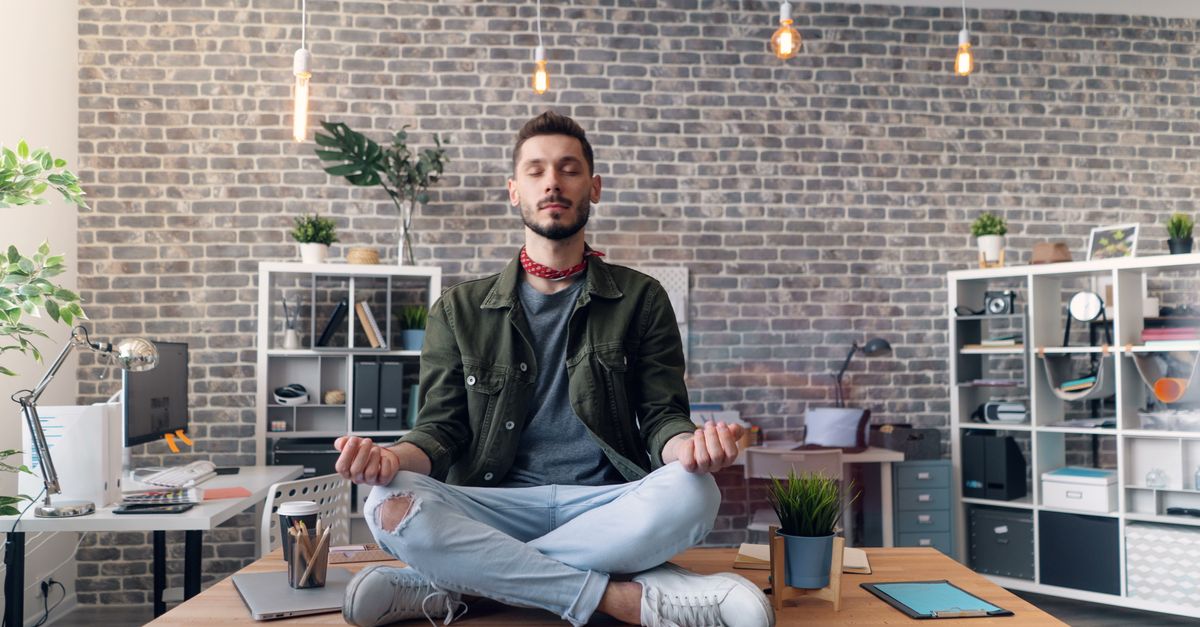
You’re sitting there, eyes closed, trying to focus on your breath. Maybe you’re counting, maybe you’re just observing. But then it happens: a thought about that looming work deadline, an argument from yesterday, or even just what to make for dinner, sneaks in. You try to push it away, to not think about it, and suddenly you’re in a mental wrestling match. The harder you try to be present, the more elusive it feels. You open your eyes, feeling more frustrated than peaceful, wondering if mindfulness is just another overhyped trend that simply doesn’t work for your busy brain. Sound familiar? You’re not alone. Most people abandon mindfulness practices because they misunderstand its core purpose and struggle with techniques that, while well-intentioned, often create more internal friction than calm.
Key Takeaways
- The common pitfall is trying to empty your mind, when mindfulness is actually about observing your mind without judgment.
- Integrating micro-mindfulness moments throughout your day is more effective than rigid, lengthy meditation sessions for beginners.
- True mindfulness is about acknowledging and processing difficult emotions, not escaping them, leading to genuine emotional resilience.
- Cultivating a ‘friendly curiosity’ towards your thoughts and feelings transforms struggle into a path for self-understanding and lasting calm.
The Fundamental Misconception: You’re Not Trying to Stop Thinking
The biggest barrier I see people hit with mindfulness is a deeply ingrained misunderstanding: they believe the goal is to stop thinking, to achieve an ‘empty mind.’ This is a myth, and a profoundly unhelpful one. Our brains are thought-generating machines; they don’t just stop producing thoughts on command. Trying to force your mind into a blank slate is like trying to stop your heart from beating – it’s an impossible, and frankly, counterproductive, endeavor. In my own journey, I spent years feeling like a failure because my mind was always ‘too busy’ for meditation. I’d try to meditate for 10 or 20 minutes, and the moment a thought arose, I’d judge myself for not being ‘mindful enough.’ This internal struggle created more anxiety than the meditation was supposed to relieve.
What actually changed everything for me was a simple reframing: mindfulness isn’t about not thinking, it’s about observing your thoughts without getting swept away by them. It’s about changing your relationship with your internal experience. Imagine your thoughts are clouds passing in the sky. You don’t try to make the clouds disappear; you simply watch them drift by. Some are dark and stormy, some are light and fluffy, but they are all temporary. You are the sky, vast and unchanging, observing the weather. When you stop fighting your thoughts, you remove the primary source of frustration. Instead of saying, ‘Oh no, I’m thinking again, I’m failing,’ you shift to, ‘Ah, there’s a thought about my to-do list. Noted. Now I’ll gently bring my attention back to my breath.’ This subtle but profound shift from resisting to observing is the bedrock of a sustainable mindfulness practice. It reduces the internal pressure dramatically and allows for moments of true presence to emerge organically, rather than being forced.
Why ‘Just Meditate for 30 Minutes’ Fails Most People (And What Actually Works)
Many popular guides advocate for daily, extended meditation sessions, often starting at 15-30 minutes. While admirable, for most busy individuals just starting out, this is an unrealistic and often unsustainable expectation. The reality is, life gets in the way. Work, family, chores, social commitments – carving out a dedicated block of time every single day can feel like another item on an already overwhelming to-do list. The result? You miss a day, then two, then you feel guilty, and eventually, you abandon the practice entirely, reinforcing the belief that ‘mindfulness isn’t for me.’ I’ve witnessed countless clients burn out on this exact path. They start with grand intentions, last a week or two, and then fall off the wagon, feeling worse than when they started.
What actually works for building a lasting practice is what I call micro-mindfulness moments. Instead of aiming for a marathon, aim for sprints. Think 60 seconds of focused attention. These aren’t just small meditations; they are deliberate acts of bringing awareness to everyday activities. For example, when you’re making your morning coffee, don’t just go through the motions. Take one minute to really experience it: the warmth of the mug, the aroma, the sound of the pour, the taste of the first sip. When you’re walking to your car, feel your feet on the ground, notice the sounds around you, the subtle shifts in temperature. Washing dishes? Focus on the sensation of the warm water, the suds, the texture of the sponge. These aren’t ‘breaks from life’; they are life, experienced with full presence.
The power of micro-mindfulness is twofold: first, it’s easily integrated. A minute here, two minutes there, adds up. Second, it trains your brain to be present in the midst of daily activity, not just in a quiet, isolated setting. This is crucial for translating mindfulness into real-world benefits like reduced stress during a difficult conversation or increased focus on a complex task. Over time, these small moments build neural pathways for presence. Once you’re consistently doing several micro-mindfulness moments a day, then you might naturally feel inclined to extend a session to 5 or 10 minutes. But starting small, making it accessible, and removing the pressure of perfection is the most effective path to a sustainable practice.
The Hidden Trap of ‘Positive Vibes Only’ Mindfulness
Another common pitfall is the idea that mindfulness is solely about cultivating positive emotions and pushing away anything ‘negative.’ This leads many to believe they are failing if feelings like anger, sadness, or anxiety arise during their practice. They might try to suppress these emotions, intellectualize them away, or simply distract themselves, mistakenly thinking these are ‘unmindful’ states. This ‘positive vibes only’ approach is not only unsustainable but actively detrimental to emotional well-being. It creates a disconnect from our authentic emotional landscape, teaching us to avoid parts of ourselves rather than integrate them. I’ve seen clients become even more anxious because they feel they shouldn’t be feeling anxious while meditating.
True mindfulness is about radical acceptance of all experiences, both pleasant and unpleasant. It’s about creating a safe space within yourself to simply be with whatever arises, without judgment or the need to change it. When difficult emotions surface, instead of pushing them down, the mindful approach is to acknowledge them with a gentle curiosity. For instance, if anxiety arises, you might say to yourself, ‘Ah, there is anxiety present. I feel it as a tightness in my chest, a racing in my thoughts.’ You’re not endorsing it, you’re not wallowing in it; you’re simply observing its presence, its texture, its intensity, without getting entangled in its story. This practice of ‘feeling to heal’ (or at least, feeling to understand) is incredibly powerful.
By leaning into discomfort with a mindful attitude, you begin to rewire your brain’s automatic fight-or-flight response to these emotions. You learn that a difficult emotion, while uncomfortable, is not inherently dangerous. It’s a temporary visitor. This doesn’t mean you’ll suddenly love feeling angry or sad, but it does mean you won’t be overwhelmed by these feelings, and they will lose their power to control you. This builds genuine emotional resilience – the ability to navigate life’s inevitable ups and downs with greater stability and wisdom. It’s a far more profound and lasting calm than any superficial ‘positive thinking’ can provide.
Why You Need a ‘Friendly Curiosity’ (Not a Drill Sergeant) Towards Your Inner World
Many people approach mindfulness with a demanding, almost aggressive internal voice. They treat their minds like an unruly child that needs to be disciplined into submission. ‘Focus, goddammit!’ ‘Stop thinking about that!’ ‘You must be present!’ This internal drill sergeant approach is precisely what makes mindfulness feel like a chore and often leads to resentment and abandonment. If you wouldn’t speak to a friend or a child with such harshness, why do you speak to yourself that way when trying to cultivate inner peace? Our internal dialogue profoundly shapes our experience, and an antagonistic relationship with our own mind is antithetical to mindfulness.
What actually works is cultivating a posture of friendly curiosity towards your inner world. Imagine yourself as a benevolent scientist, observing the phenomena of your mind with genuine interest, rather than a judge handing down verdicts. When a thought pops up, instead of judging it as a distraction, greet it with curiosity: ‘Oh, an interesting thought about X just arose. I wonder what’s behind that?’ When an emotion surfaces, instead of pushing it away, explore it: ‘I’m feeling a wave of irritation. Where do I feel that in my body? What’s its quality?’ This doesn’t mean you need to analyze every thought or emotion, but it means you approach them with a non-judgmental, open attitude.
This friendly curiosity transforms the entire practice. It shifts from a battle to an exploration. Instead of ‘failing’ when your mind wanders, you now have an opportunity to practice gently guiding it back, like a kind shepherd bringing a lamb back to the flock. Each time you notice your mind has strayed and you gently bring it back to your anchor (like the breath), you’re not failing; you’re doing a bicep curl for your attention muscle. This compassionate self-talk is what makes mindfulness sustainable, enjoyable, and ultimately, deeply healing. It fosters self-acceptance, reduces inner conflict, and allows you to build a resilient and kind relationship with yourself, which is the ultimate goal of any true wellness practice.
Frequently Asked Questions
Q1: Is mindfulness the same as meditation?
A1: Not quite. Meditation is a formal practice to cultivate mindfulness (e.g., sitting silently, focusing on breath). Mindfulness is the quality of awareness you bring to any moment, whether you’re formally meditating or washing dishes. You can be mindful without meditating, but meditation is a powerful tool to develop mindfulness.
Q2: How long does it take to see results from mindfulness?
A2: You can experience immediate shifts in perspective and calm from even a single mindful moment. However, consistent practice over weeks and months is typically required for noticeable, lasting changes in stress reduction, emotional regulation, and focus. Many studies suggest significant benefits can emerge within 8-12 weeks of regular practice.
Q3: What if my mind is truly too chaotic or anxious for mindfulness?
A3: This is precisely when mindfulness is most beneficial. Start with very short periods (30-60 seconds) and integrate micro-mindfulness moments into daily routines. Focus on non-judgmental observation, not eradication of thoughts or feelings. If anxiety is severe, consider working with a therapist or mindfulness coach who can provide tailored guidance and support.
Q4: Do I need a quiet space to practice mindfulness?
A4: While a quiet space can be helpful for formal meditation, the beauty of mindfulness is that it can be practiced anywhere. In fact, practicing in noisy or busy environments can be incredibly beneficial for developing real-world resilience and presence. The goal is to be present with whatever is happening around and within you, not to escape it.
Q5: Can mindfulness make negative emotions worse?
A5: Initially, bringing awareness to suppressed emotions might make them feel more intense as they surface. This is a normal part of the process, indicating you’re finally giving them attention. However, with consistent practice and the cultivation of friendly curiosity and non-judgment, you learn to process these emotions more effectively, leading to a reduction in their long-term hold and intensity.
By shifting your approach from forceful resistance to gentle, curious observation, you can unlock the profound benefits of mindfulness. It’s not about achieving an empty mind, but about fostering a kinder, more present relationship with your already busy one. Start small, be kind to yourself, and watch how even tiny shifts in attention can bring lasting calm and clarity into your daily life.